" There has never been a more urgent time for creating provocative art, on issues that are so significant for the survival of our contemporary world.”
- Duda Penteado
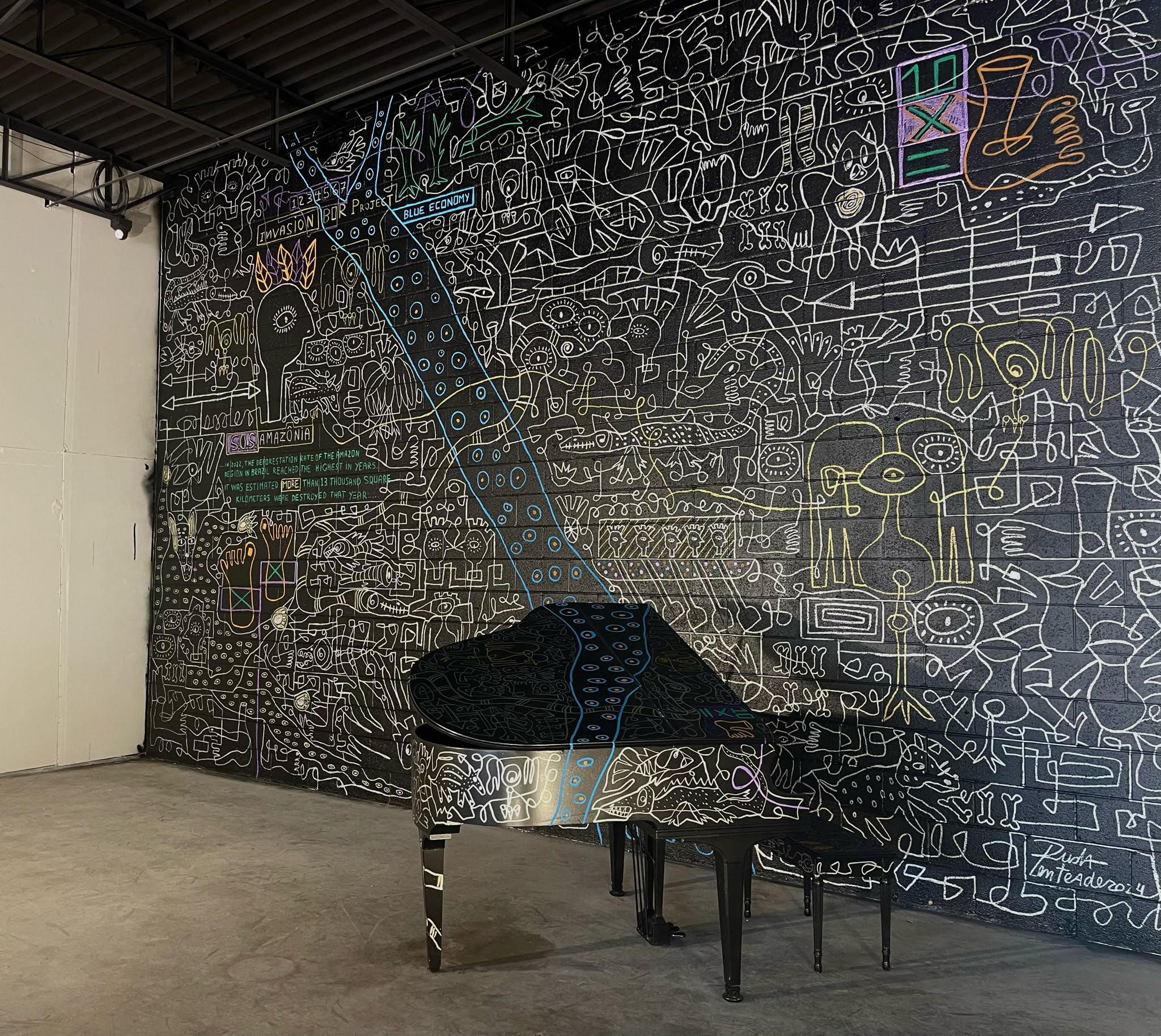
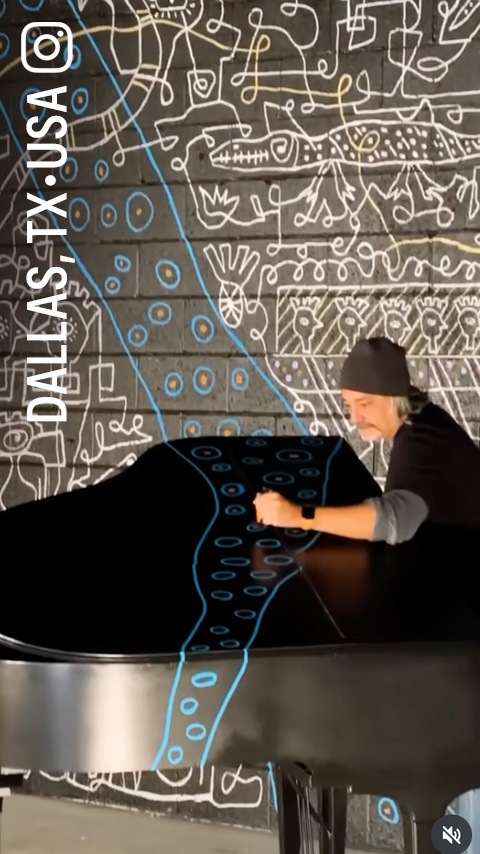
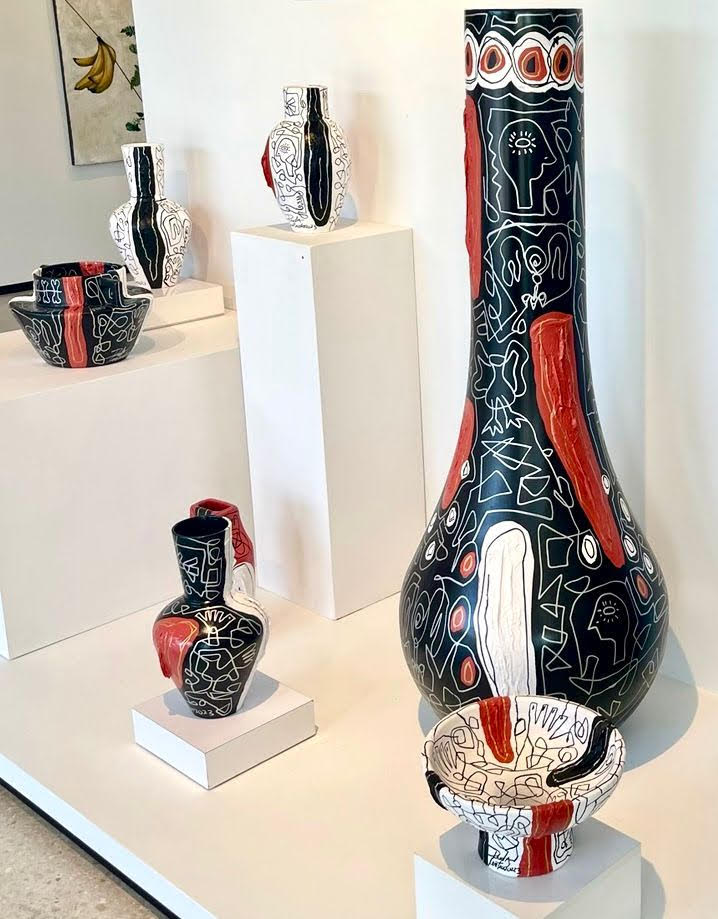
The Amazônia Manifesto Art Installation at @gallery DeFI in Dallas - Learn More
Duda Penteado is an ARTIVIST who has created a body of work between the United States and Brazil for almost 30 years and is a multidisciplinary artist. His work has been documented and chronicled through texts, books, murals, performance, video, installations, sculptures, paintings and other visual practices. In recent years, Duda has dedicated much of his work to important issues addressing peace, globalization, diaspora, dual citizenship, sustainability and other geopolitical and social phenomena of the 21st century.
“Artivism” is a term formed by the combination of the words art and activism, thus implying an artistic practice with political and social content. Duda Penteado, who uses art as a bridge to creative experiences, has always been attentive to the movements that involve the main social issues of today and works constantly to denounce them. Its mission is to lead us to reflect and critically analyze the issue so that we can act in community. For the artist, “art does not propose simple answers, but important questions, bringing discussions and interconnected dialogues with the main themes of the contemporary world.” Art is, then, the vehicle of this social discourse.
Duda Penteado's intellectual and creative energies have always been about the human experience and journey, but recently came to focus on exploring the relationship between art, technology, sustainability and the environment. This journey has always been driven and sustained by the most basic, essential, and fundamental aspect of our nature; namely to imprint upon those who follow, a palpable appreciation of our presence; that in a spiritual and eternal way, we are still here. This track of human evolution has, over the millennia, left behind traces, relics, and treasures of our existence. These artifacts are beacons of our travels as a species on this planet. They tell the story of our hopes, fears, joys, beliefs and accomplishments. They serve to not only remind us of the connection to our ancestors but to also build a common human heritage, a collective unconscious as noted author/psychoanalyst Carl Jung believed of a shared racial (human) memory. And in the contemporary context the human journey has landed us in a complicated relationship with the environment.
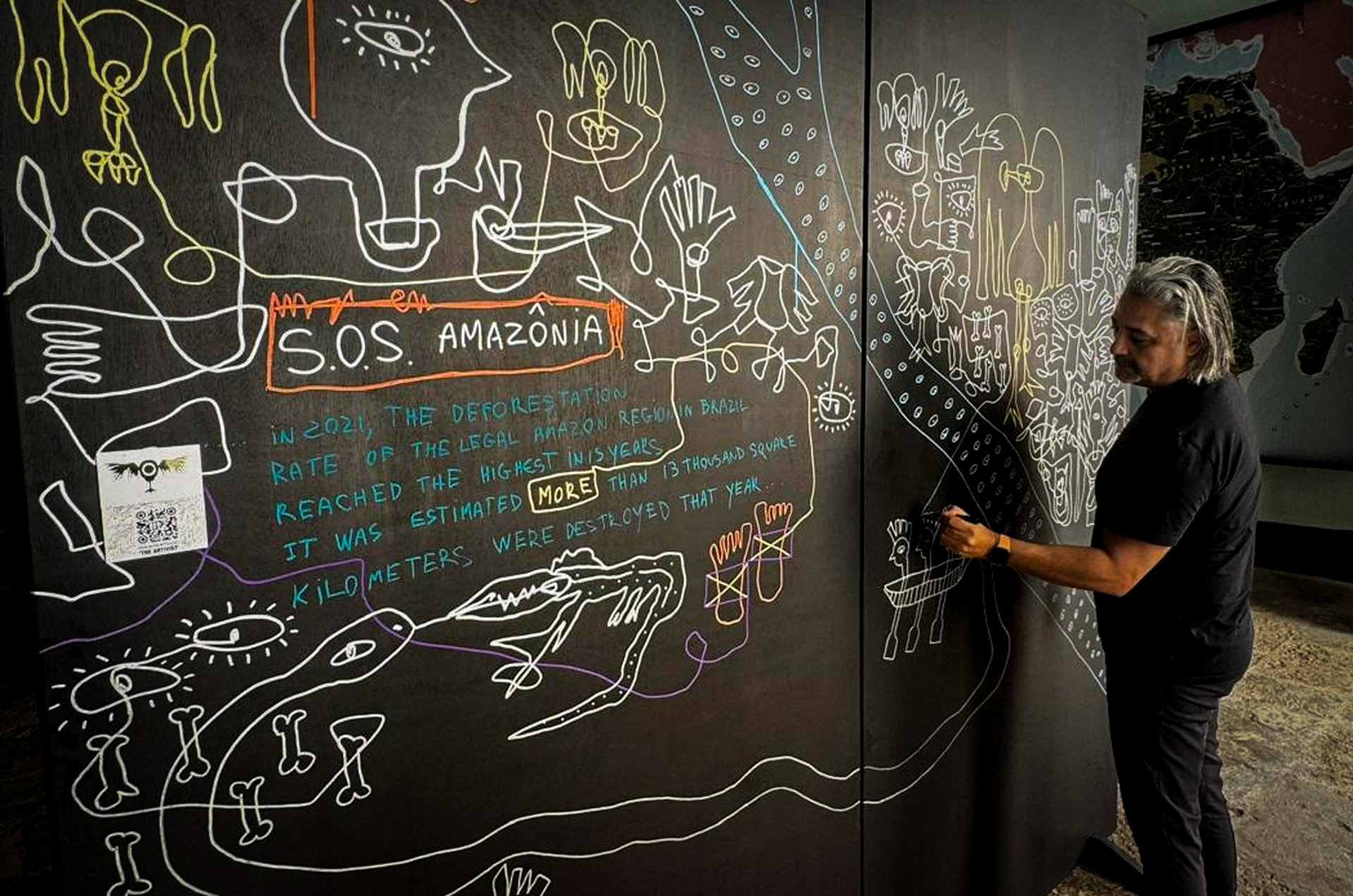
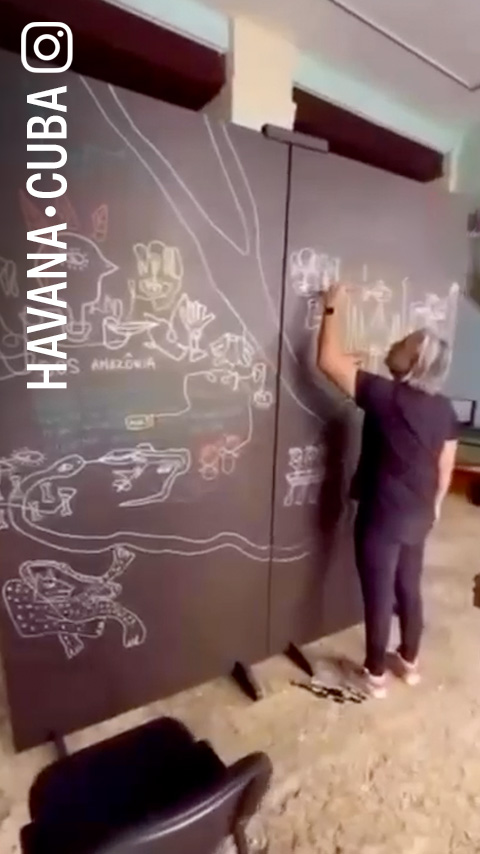
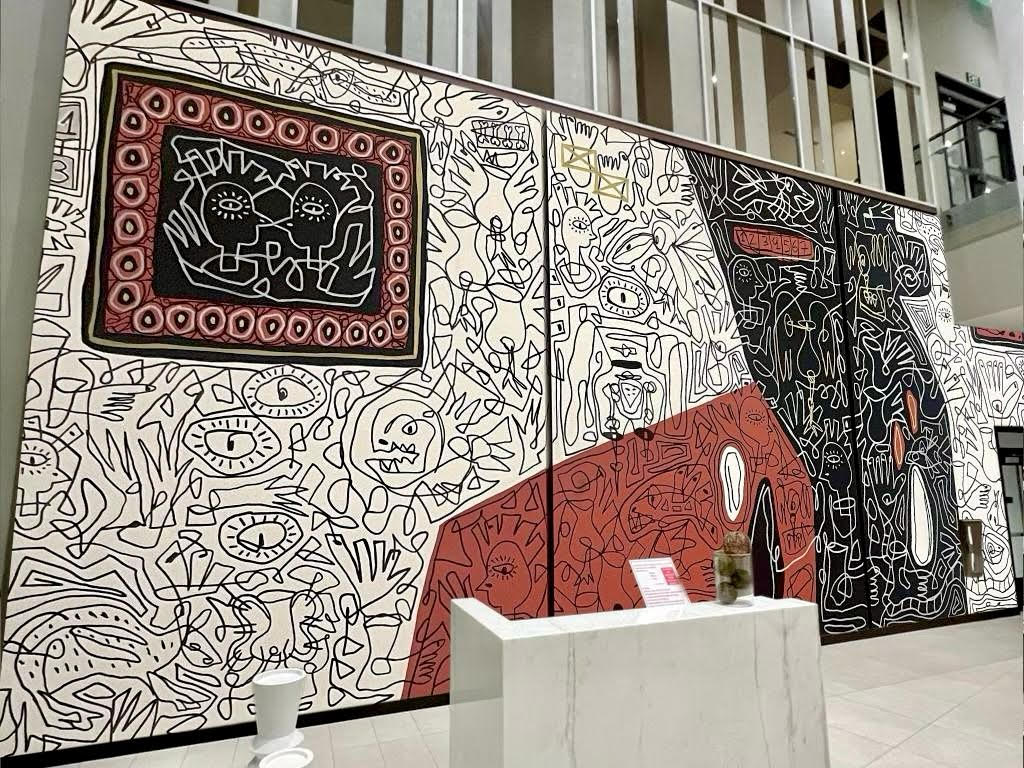
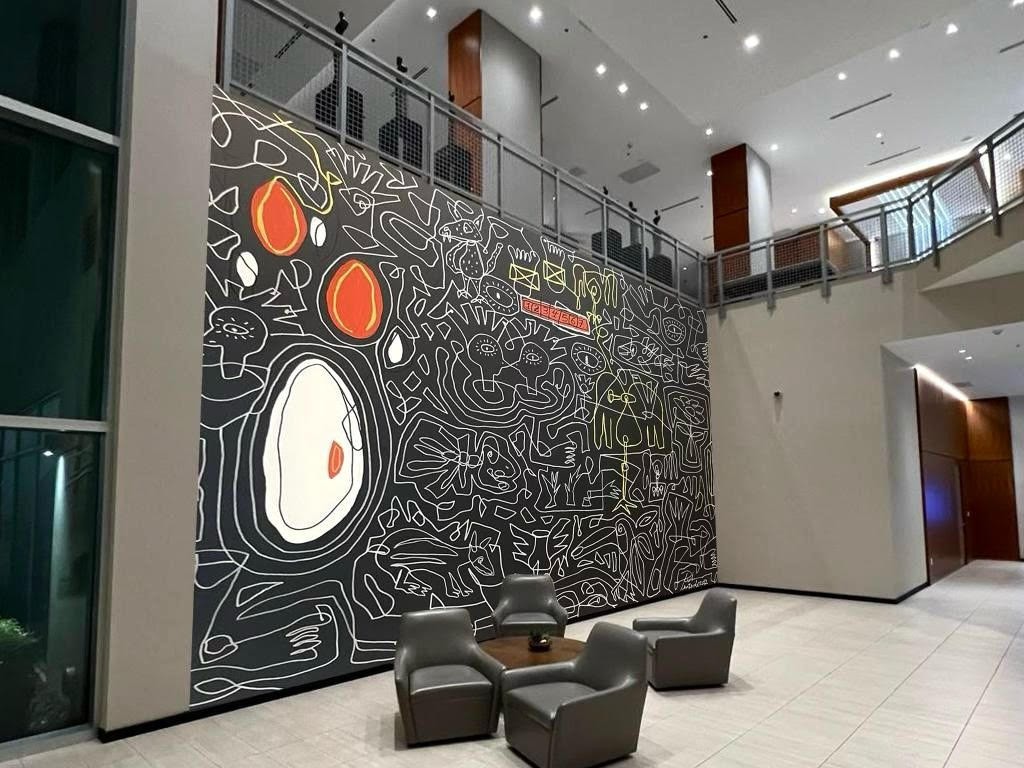
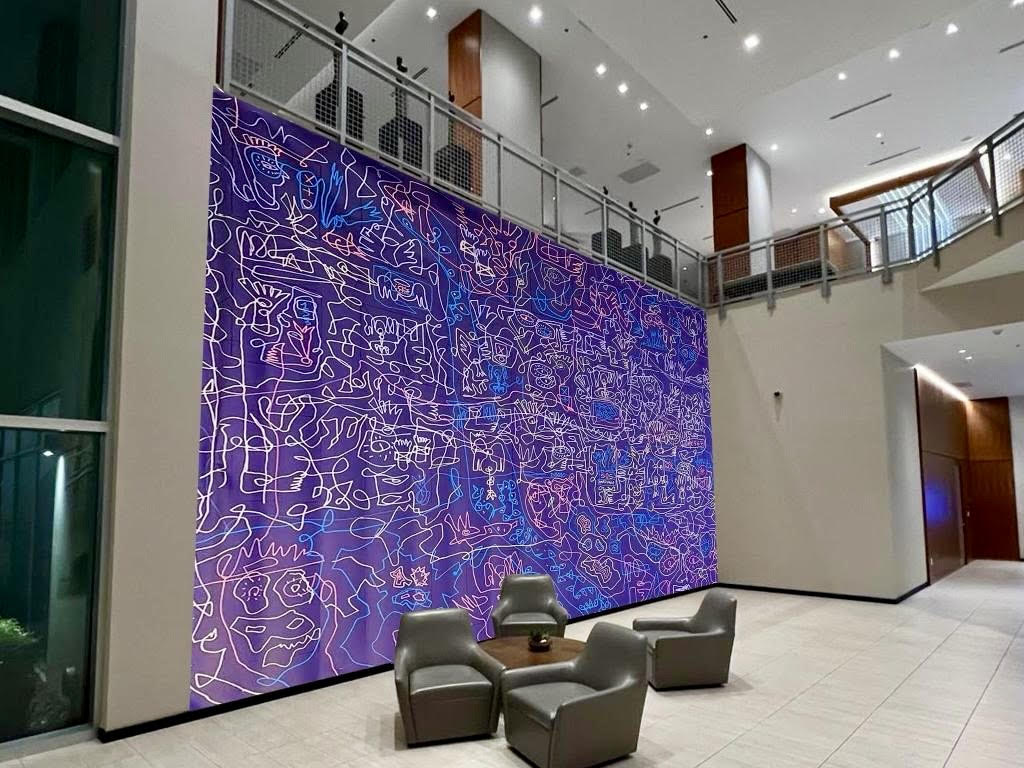
TRIBAL LINES – The Amazônia Manifesto Art Installation. Shared Horizons, 15ª Bienal de La Habana at Museo Casa de África, Havana, Cuba.
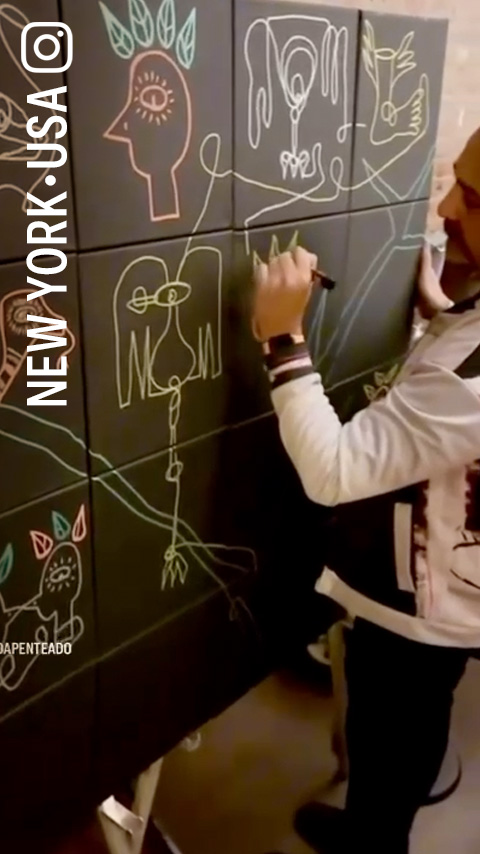
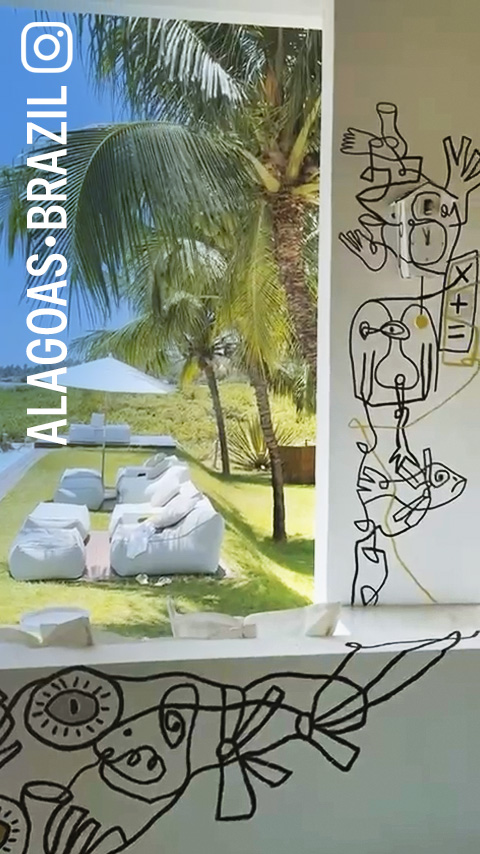
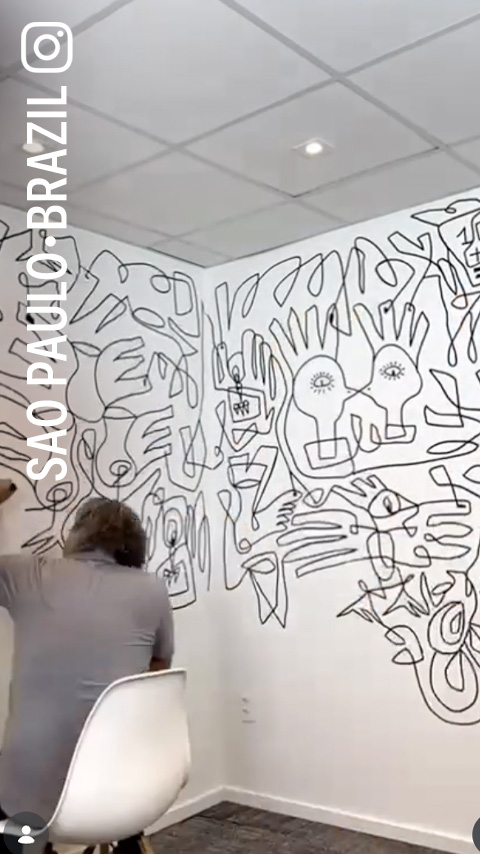
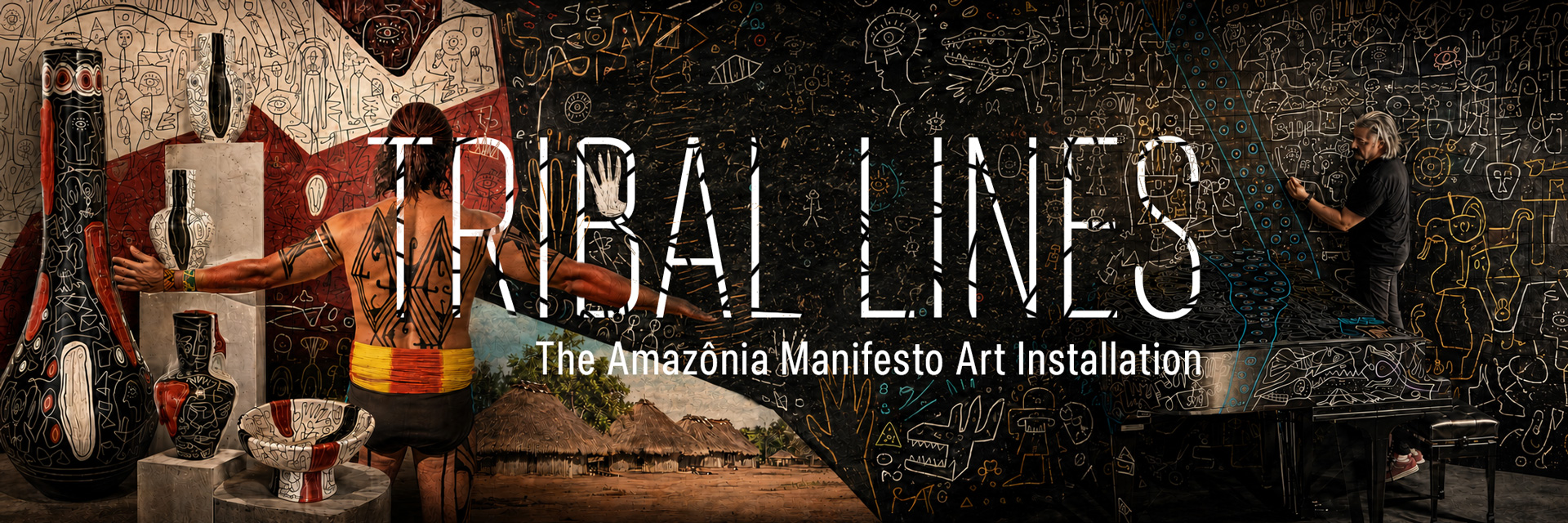
His most recent work entitled " Tribal Lines" Mural - Art Installation represents Duda's understanding of this journey, and is based on his research of more than two decades in the Amazon and in the Xingu Indigenous tribes of Brazil. The project is an immersion in the rescue of human ancestral knowledge, recalling the art of original peoples who painted using only the light of fire in caves. These pieces are a personal iconography; expressing through color, form, increasing depth and dimensionality, a contemporary expression manifested into artistic interventions on murals,vases, hammock, fabrics and countless other possibilities of the bond that links us and the world we inhabit; a world that we have transformed throughout the millennia. Duda recognizes indigenous art as a rich and important form of cultural expression, bringing a strong aspiration in the phrases of Mário Pedrosa, one of the foremost 20th-century Brazilian, art critic, journalist and political activist in 1975: “In countries like ours, which do not arrive exhausted, even if oppressed and underdeveloped, at the level of contemporary history, (...) when one says that their art is primitive or popular, it is worth as much as saying that it is futuristic”.
One of the main functions of artivism is exactly to provoke the spectator to reflect, and to create a constant engagement with the artistic process and the art in itself, and not just passively appreciate the work. Gathered in these interventions, the works of Duda Penteado consist of a visual pedagogy of the highest order, impacting the public on essential human concerns. “If identifying as an ARTIVIST is thinking about works that enter into social contexts, it means valuing projects that are part of a sociocultural ecosystem, causing an impact on society. I am concerned with all the structural layers that make each project a unique experience. ”, Duda Penteado.
Duda Penteado's work expresses an aesthetic that responds to the alter-modern practice of art introduced in 1990 by the French critic Nicolas Bourriaud, who tried to contextualize contemporary art as a reaction to commercialism and standardization. The " Tribal Lines '' Mural - Art Installation Project by Duda Penteado, the "ARTIVIST", is bringing the viewer closer to current themes and their global socio-cultural connections and open precious opportunities for the public to embark on an immersion of unprecedented concepts, ideas and reflections on the impact of art in our contemporary society, which is increasingly globalized.
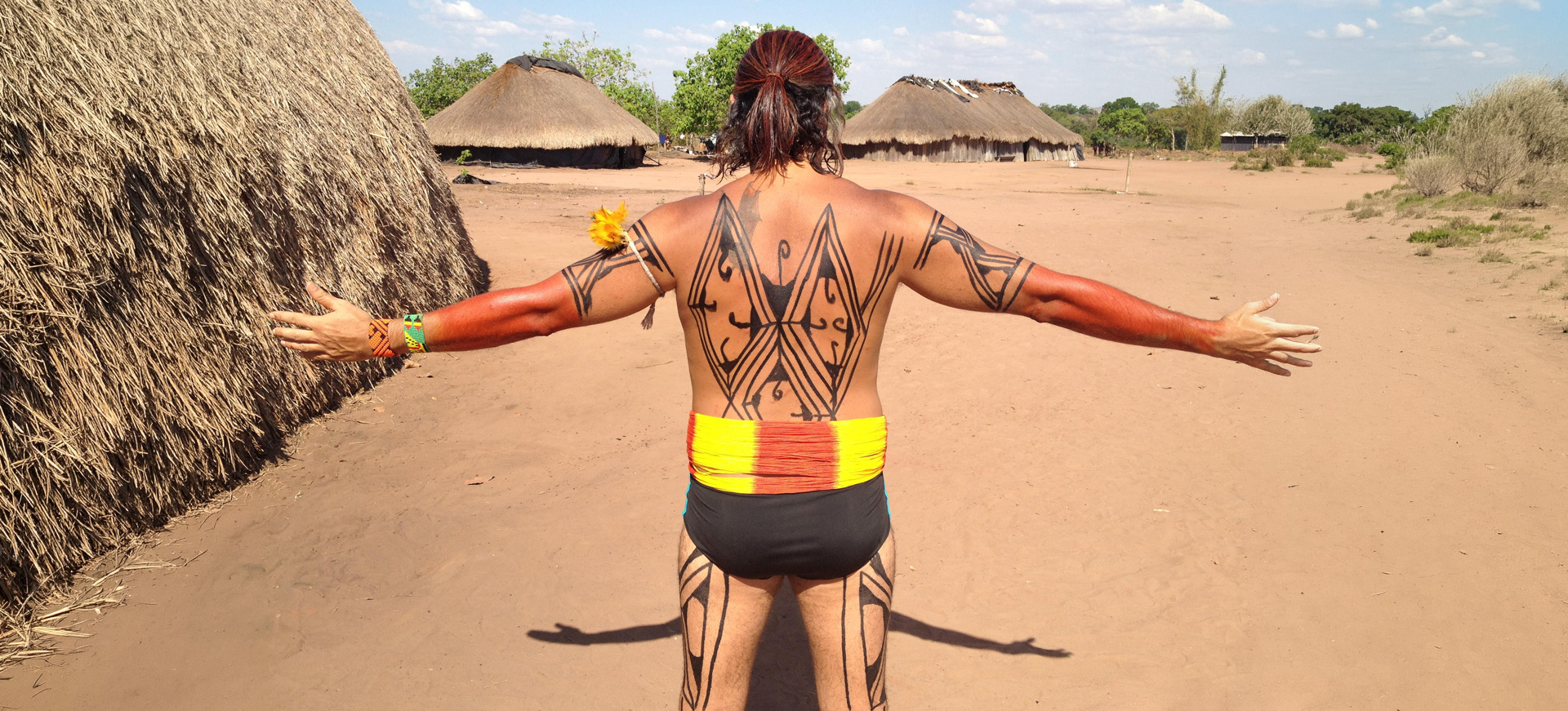
Duda Penteado (indigenous name 'Tuta Aluakuma') painted with traditional iconographies of the Mehinaco tribe, Xingu, Mato Grosso, Brazil, 2012.
His most recent work entitled; TRIBAL LINES , the Amazônia Manifesto Art Installation, represents Duda's research of more than two decades in the Amazon area that also includes the Xingu Indigenous territory of Brazil. These pieces are a personal iconography; expressing through color, form, increasing depth and dimensionality, a contemporary expression manifested into artistic interventions on murals, vases, hammock, fabrics and countless other possibilities of the bond that links us and the world we inhabit; a world that we have transformed throughout the millennia.
One of the main functions of artivism is to provoke the spectator to reflect, and to create a constant engagement with the artistic process and the art in itself, and not just passively appreciate the work. Gathered in these interventions, the works of Duda Penteado consist of a visual pedagogy of the highest order, impacting the public on essential human concerns.
George Nelson Preston, Ph. D.
Art Critic & Emeritus Professor, Art History, City College of CUNY
Co-Founding Director, Museum of Art and Origins, NYC.
According to the revolutionary Brazilian educator and pedagogical theorist, Paulo Freire, the ideal aim of education is to be the “practice of freedom, the means by which men and women deal critically and creatively with reality and discover how to participate in the transformation of their world.” Continuing Freire’s legacy and heeding the call to radically transform the world through creativity and empowerment, the Brazilian " ARTIVIST" , Duda Penteado, has dedicated over twenty years to honing not only his own personal art practice, but also to sharing his passion for art with the New York metropolitan area youth through a variety of urban arts outreach initiatives.
“Philosophically, my mission as an artist is to empower and to create dialogue about difficult issues,” he says. “... In my case, my art pieces are not an end in and of themselves, but a means of arriving at a fundamental human truth: the struggle of the carnal and the divine in our lives.”
Despite the obvious historical links of this kind of large scale public painting to the Mexican Muralist movement of Diego Rivera, David Alfaro Siqueiros, and José Clemente Orozco, Duda’s personal art practice seems to follow more from a long tradition of Latin American modernist, surrealist, abstract, and figurative artists including Juan Batlle-Planas, Rufino Tomayo, Roberto Matta, Jorge de la Vega, Hilton Berredo, and Beatriz Milhazes, as well as the vibrant traditions of street art vital in both New York and many Latin American urban environments.
“How can an artist working in the twenty-first century continue to create original works of art after the overwhelming presence of remarkable twentieth century art movements like Cubism, Dada, Surrealism, Bauhaus and Cobra?” Penteado queries. It is clear that he draws on his vast knowledge of art history and contemporary trends, and yet he is able to produce unique images that draw on all of these diverse cultural and historical sources while providing novel, fresh, and compelling visions that inspire us all to look at the world with new eyes. In the end, this is perhaps his most revolutionary act.
Abraham Lubelski / Publisher NY Arts Magazine
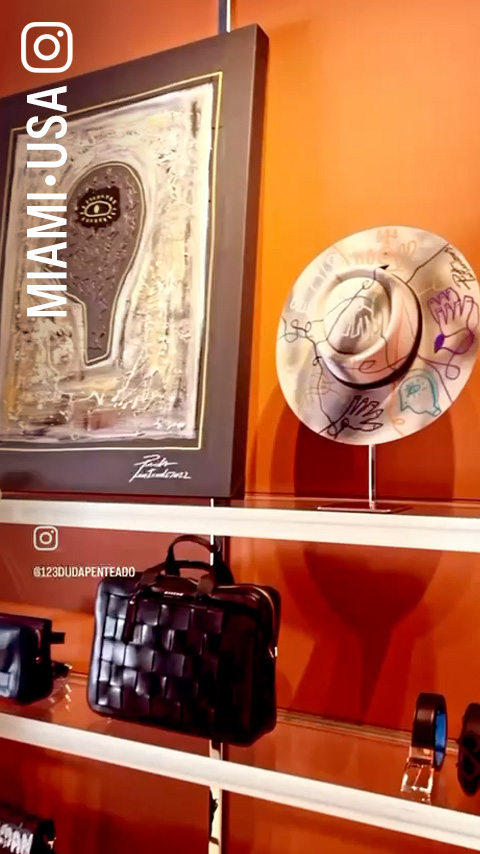
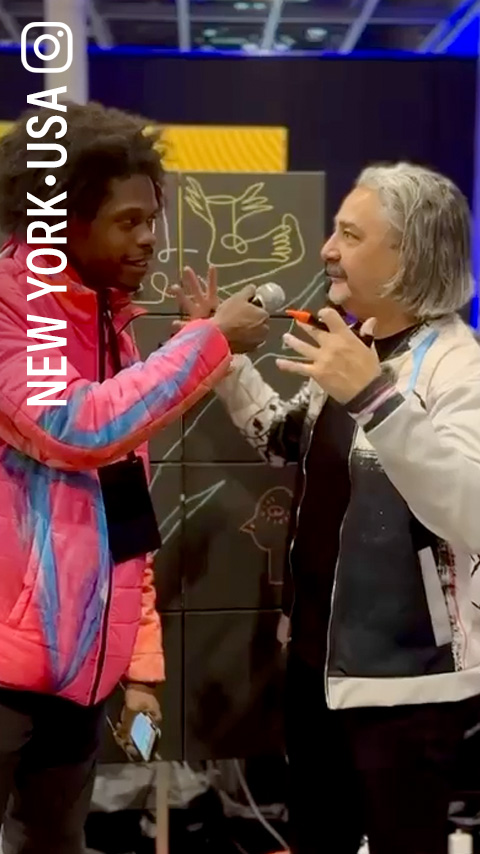
Tribal Lines Tour Reels on Instagram @123DudaPenteado