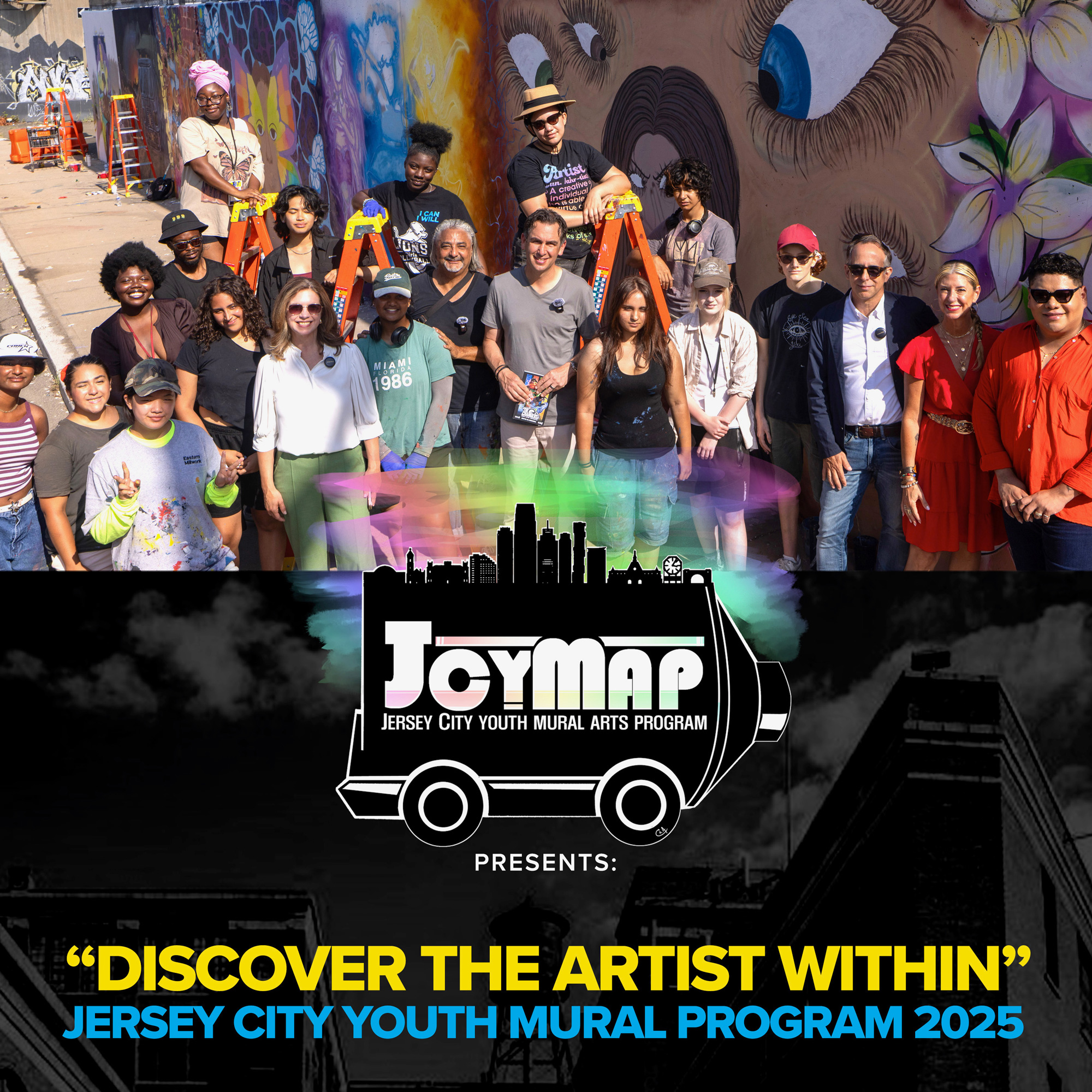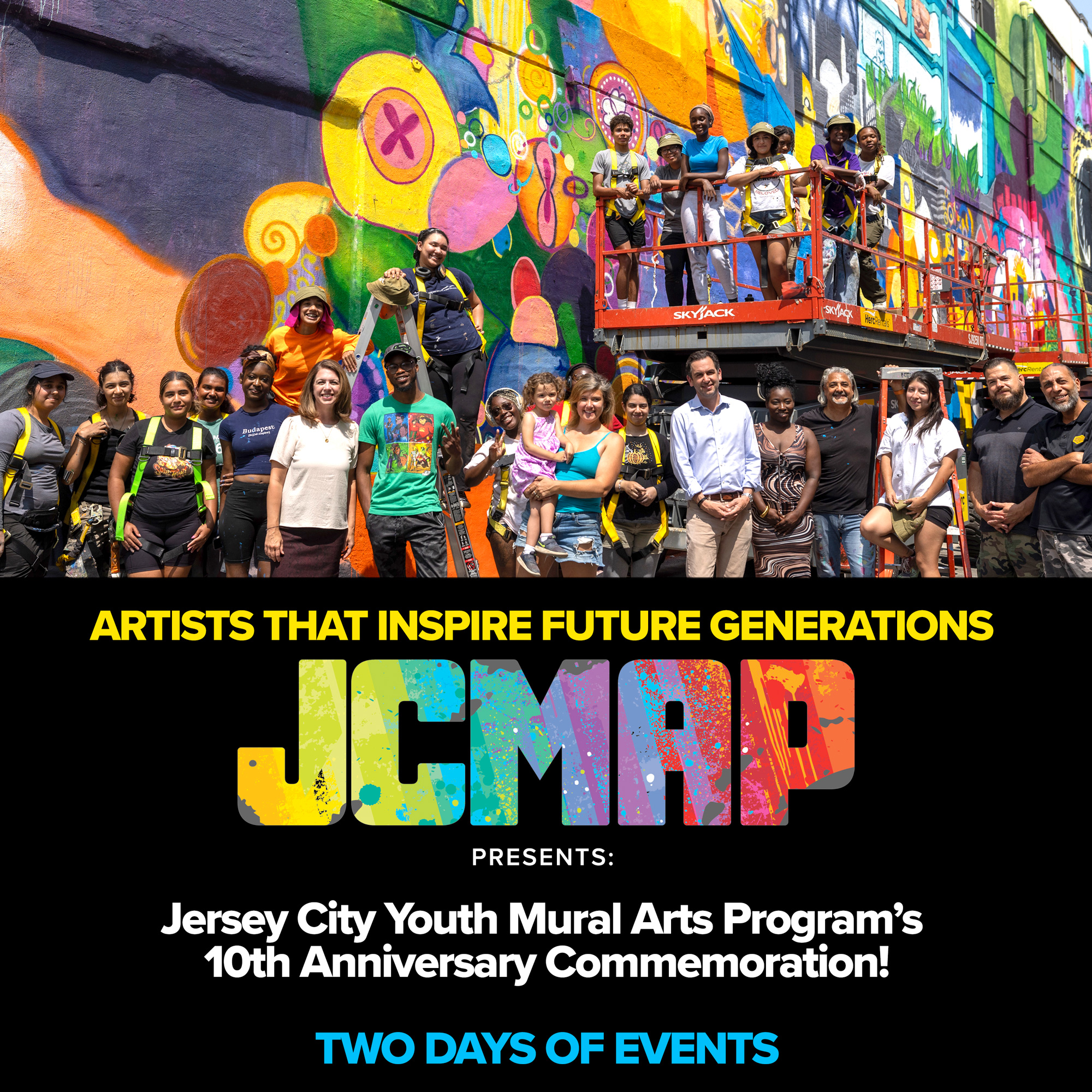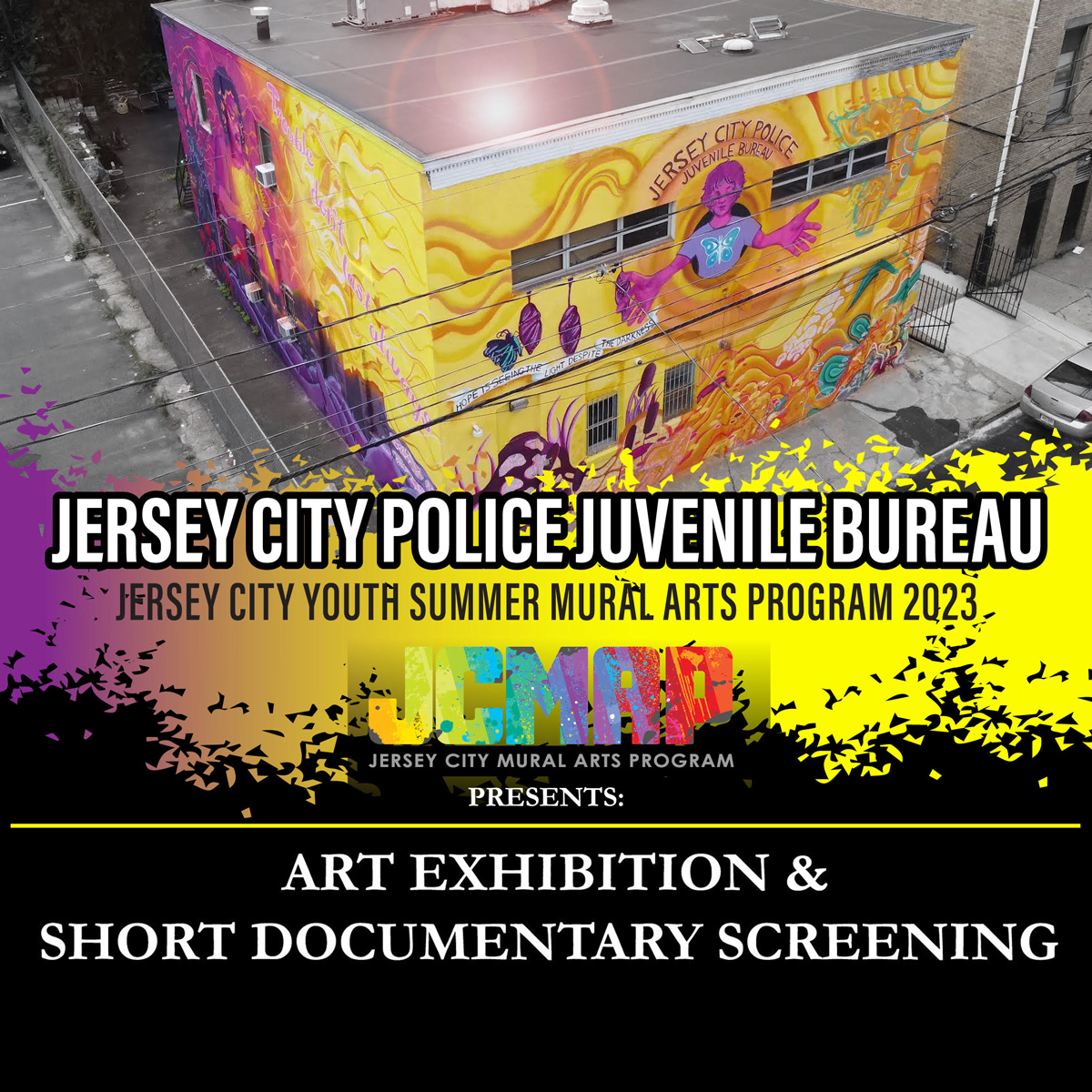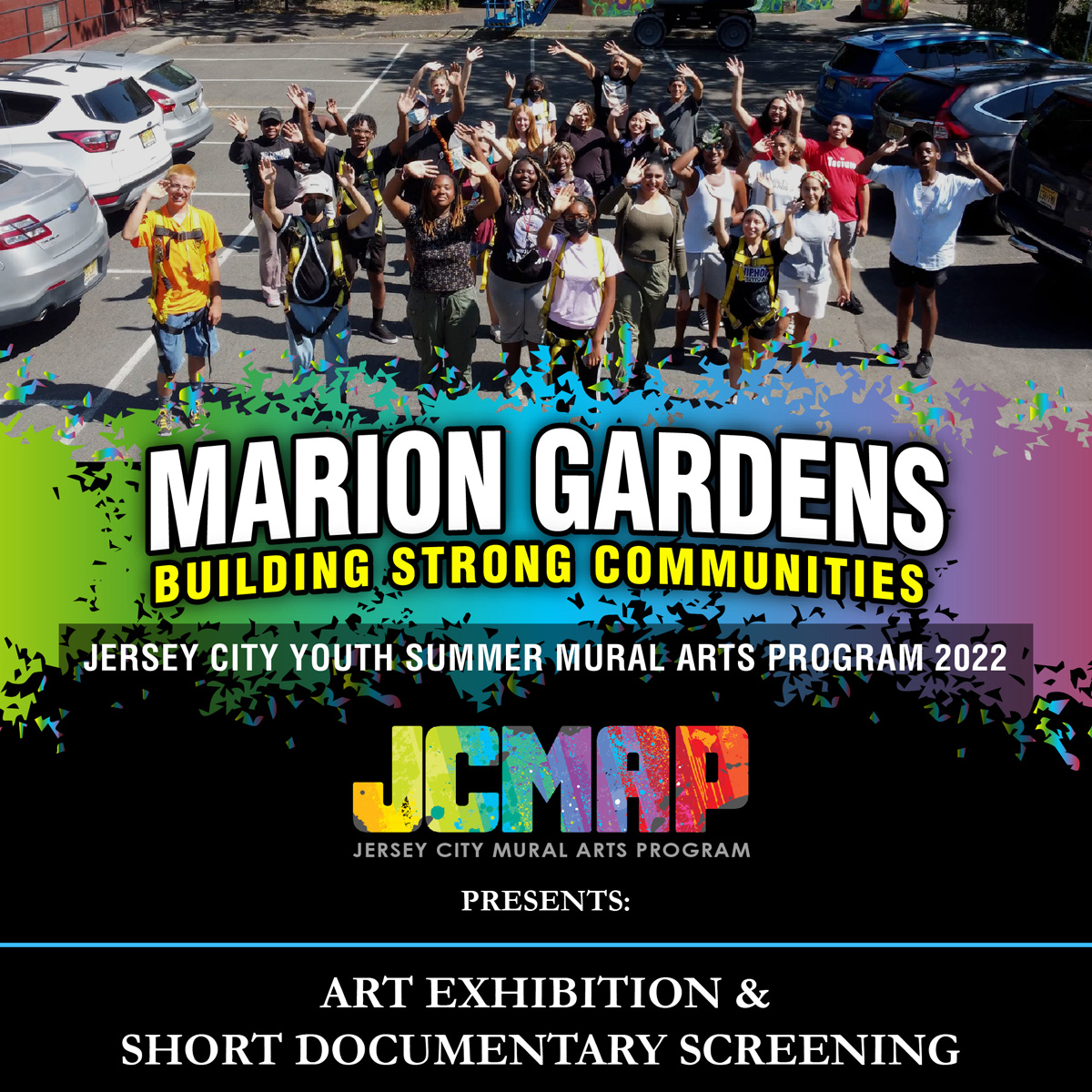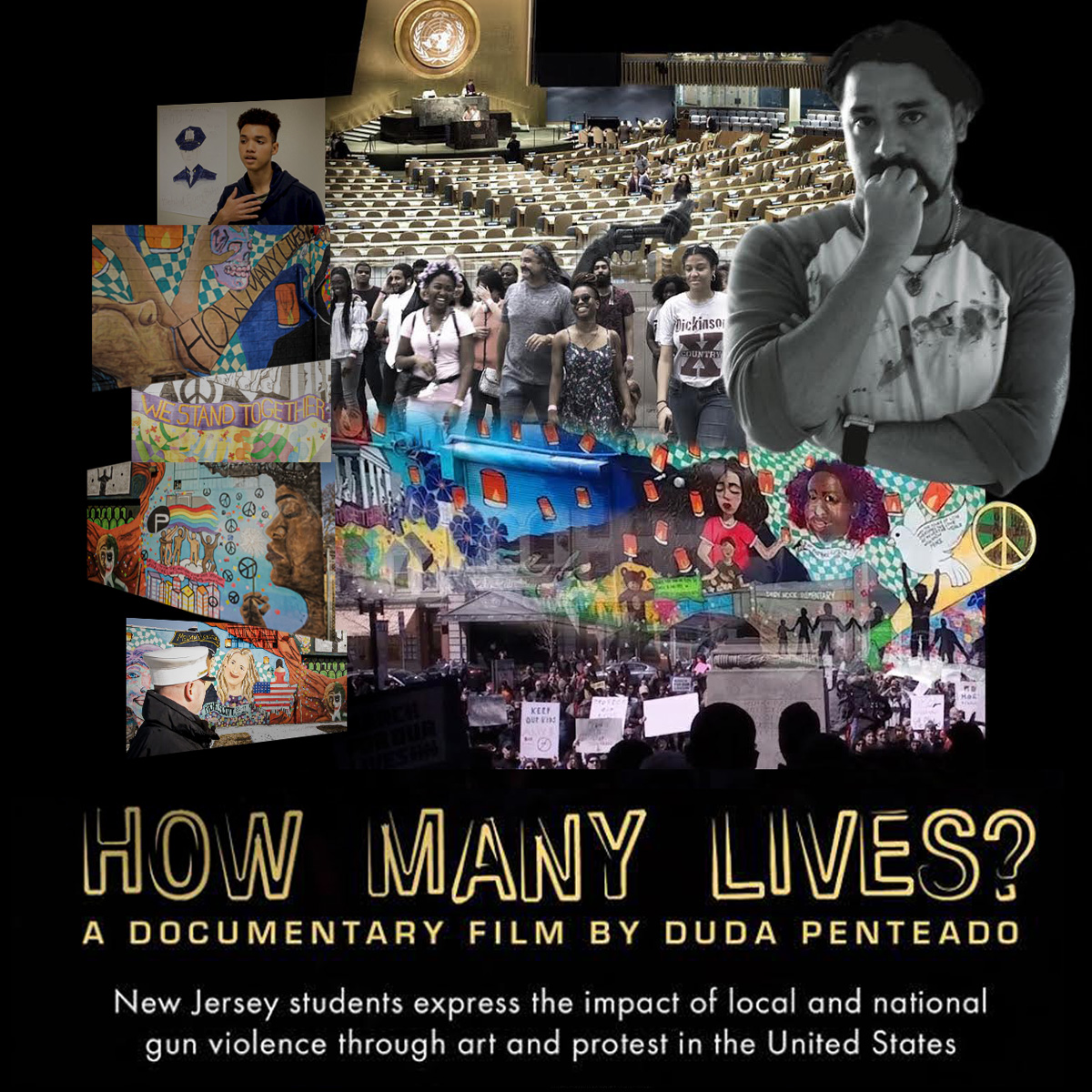
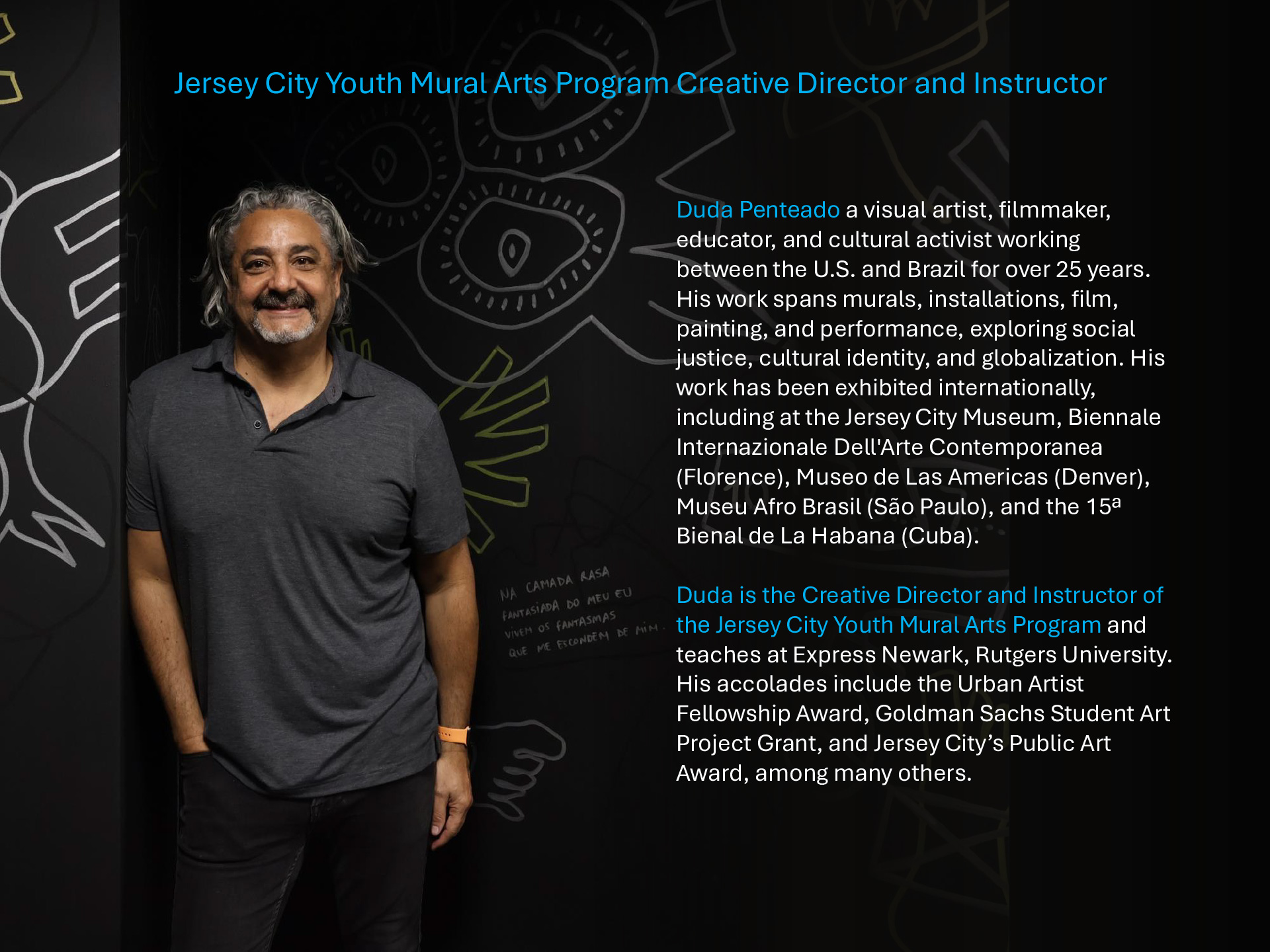
The practice of “Artivism”, a term formed by blending the words art and activism, thus implying an artistic practice with political and social content. Duda Penteado, who uses art as a means to bridge creative experiences, is very attentive to these social issues and works constantly to expose them. The goal is not merely to publicize stories of social struggles that are happening throughout our nation and around the world; but his mission is to lead us to reflect and critically analyze the issue in order to be able to act as a community. Art is, then, the vehicle for this social discourse.
The work of Duda Penteado also expresses an aesthetic that responds to the altermodern practice of art introduced in 1990 by the French critic Nicolas Bourriaud, who attempted to contextualize the art of today as a reaction against commercialism and standardization. Bourriaud’s term relational aesthetics refers to the relationship between a work of art and the viewer, its subjects, the environment, technology, and social, political, and cultural connections rather than existing as an independent, private experience.
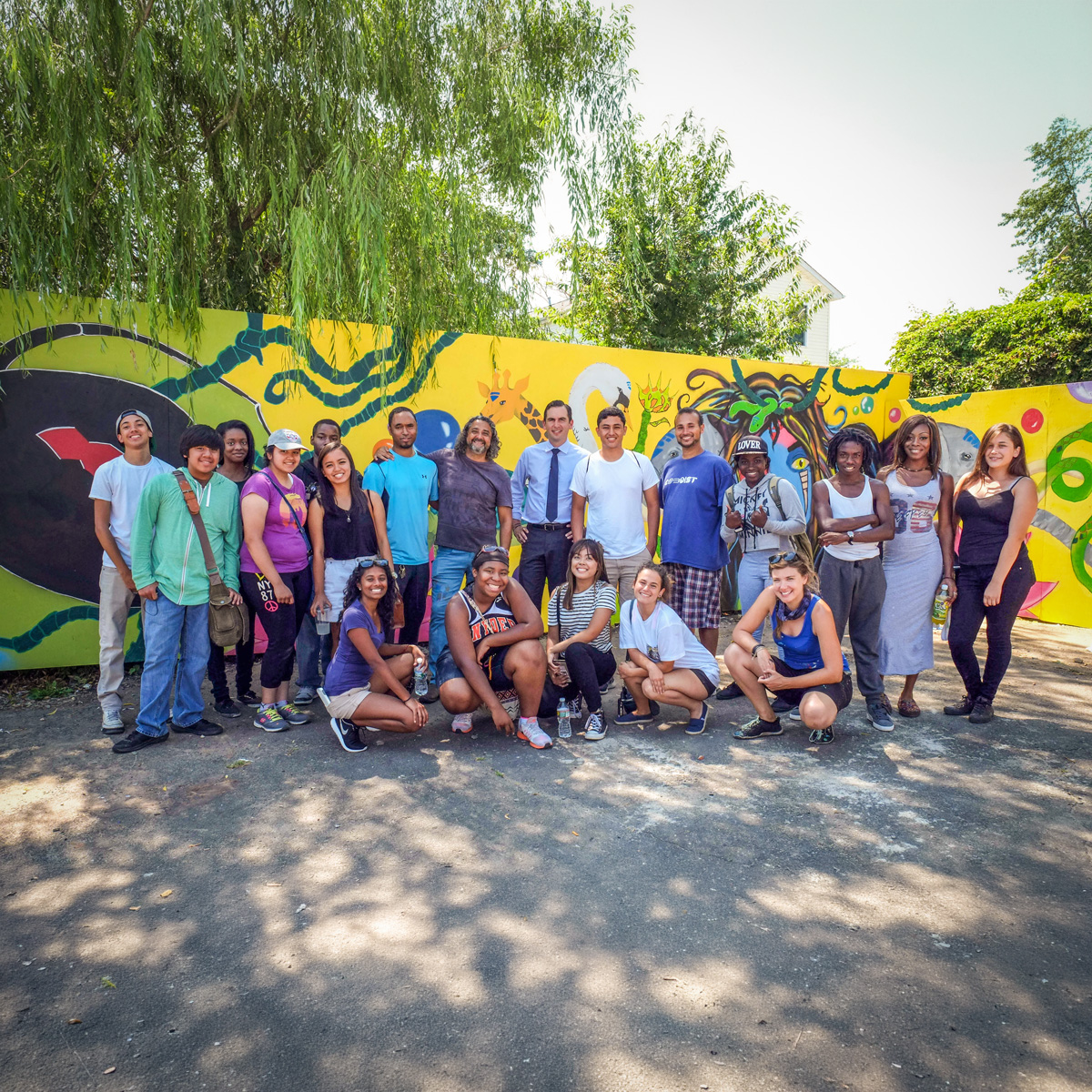
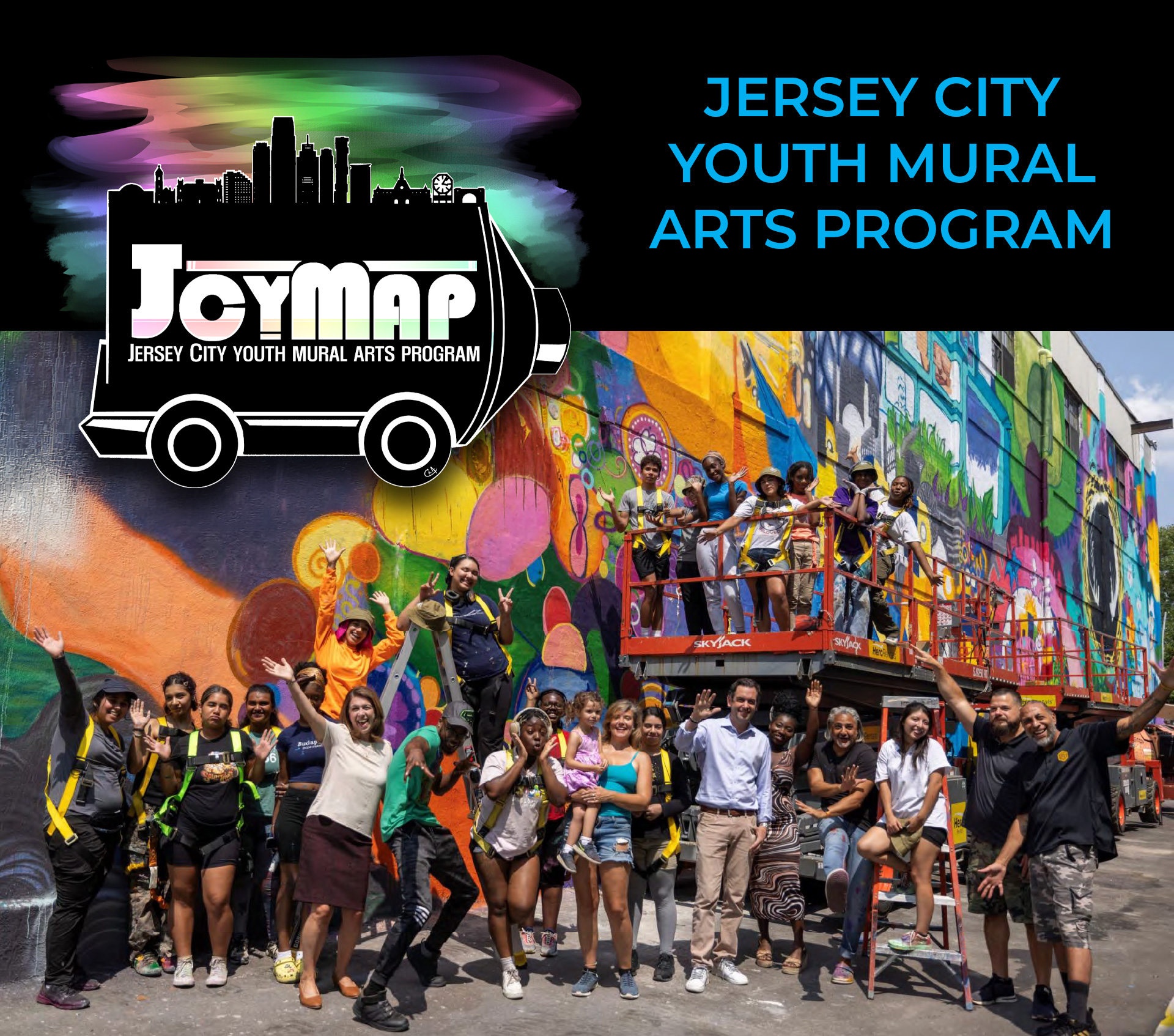
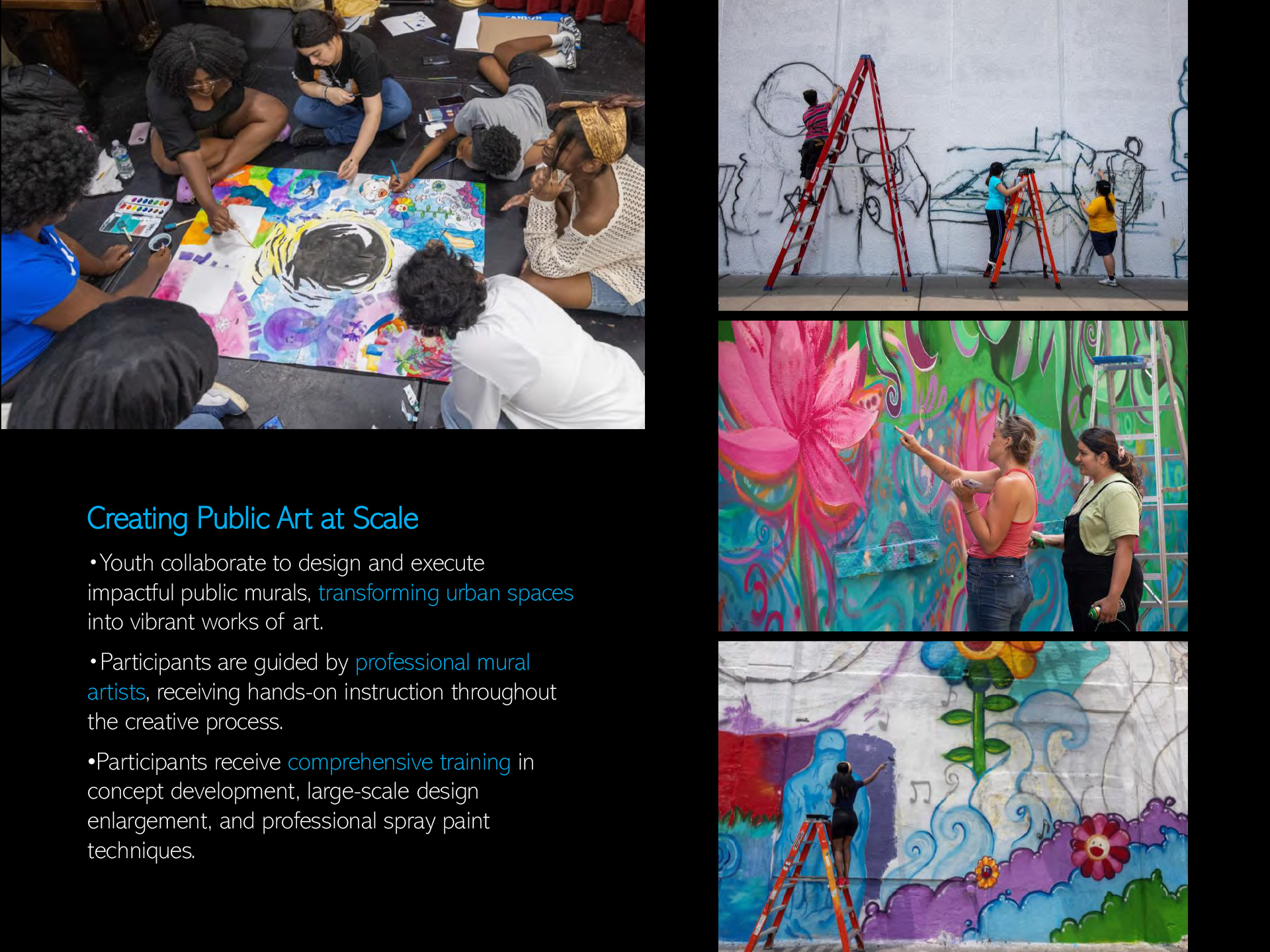
Accordingly, artistic activity becomes a platform that allows the participation of the observer or spectator, which in this case is focused on a specific community. The selected group of participants, throughout the process of creating a collective work, are also participating in the process of defining its content. They are not mere spectators but creators of the work’s content, and from that communal experience they create an art project of social relevance. The art serves to give them direction and to allow this inter-human experience to generate alternative social systems or critical models for the construction of friendly relationships. In short, the creation of this art project gives space to a joyous, collective experience, that is to say, a relational aesthetic with moral and ethical contents.
“Relational aesthetics” is a term coined by curator Nicolas Bourriaud for the exhibition “Traffic,” held at the CAPC musée d'art contemporain de Bordeaux in 1996. It refers to installations and interactive events designed to facilitate community among participants (both artists and viewers).
Sarabel Santos-Negrón
Multidisciplinary artist, educator and director of Museo de Arte de Bayamón, Puerto Rico